Substations
Busbars, gantries, disconnectors and switching components in outdoor and indoor installations.
Thermography for Power Networks and Substations
Transformers, switchgear, substations and overhead lines each place different demands on an inspection. We plan the inspection around the available viewpoints, operating loads and safe access to your network infrastructure.
Discuss your inspectionFor network operators, municipal utilities and energy suppliers
The task
Accessible connections can be inspected in detail from the ground. For overhead lines or extensive outdoor installations, a drone may provide additional views. The inspection objective, distance and a safe line of sight to the equipment determine which method is suitable.
What we inspect
The precise scope depends on your equipment and the task we agree together.
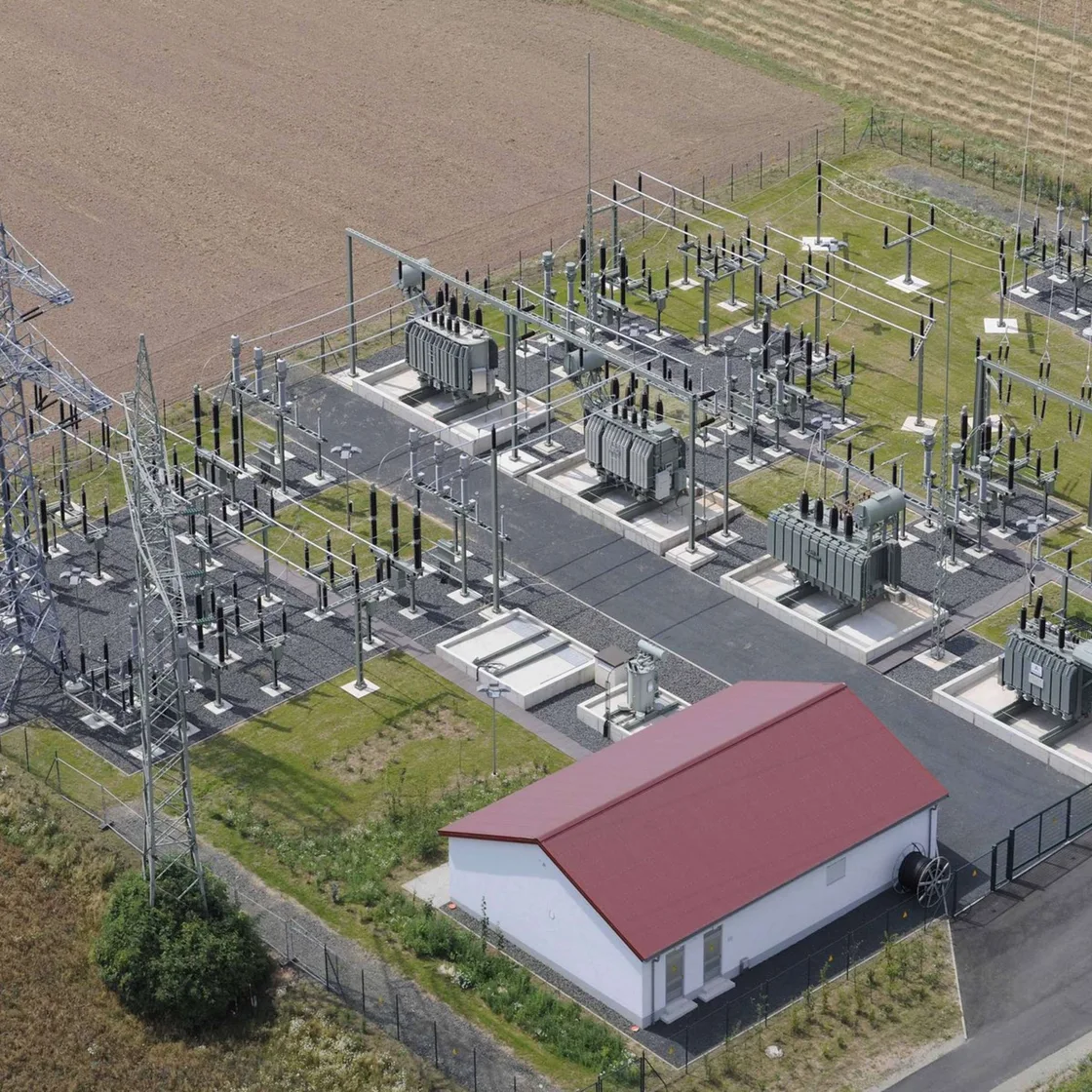
Busbars, gantries, disconnectors and switching components in outdoor and indoor installations.
Transformer stations, grid connection substations and ancillary installations.
Towers, connectors and all associated live components.
Before the visit
Thermography records the temperature distribution of visible surfaces. Load, surface properties and the surrounding conditions affect what can be concluded.
What you receive
Findings organized by substation, equipment or an agreed structure make handover to your maintenance team easier. Areas that could not be viewed and limitations of the measurements remain clearly identified in the report.
Good to know
We are happy to discuss any other questions with you.
No. For many accessible connections and indoor installations, a ground-based inspection is the appropriate method. A drone can supplement it where a suitable view of distant or elevated components is possible.
Yes. The scope, substation lists, access requirements and suitable routes are agreed in advance. The actual measurement conditions are recorded for each inspection.
A thermal image without a visible anomaly does not prove that an installation is free of faults. Concealed, obstructed or insufficiently loaded components can only be assessed to a limited extent. Thermography complements other required inspections.
Your next step
Your site, the equipment involved and the inspection objective are enough to start the conversation.
Or call directly: +49 176 85971122