Modules & array sections
Thermal patterns across module surfaces, anomalous modules and recurring anomalies within agreed sections of the installation.
PV Thermography for Solar Parks and Commercial Installations
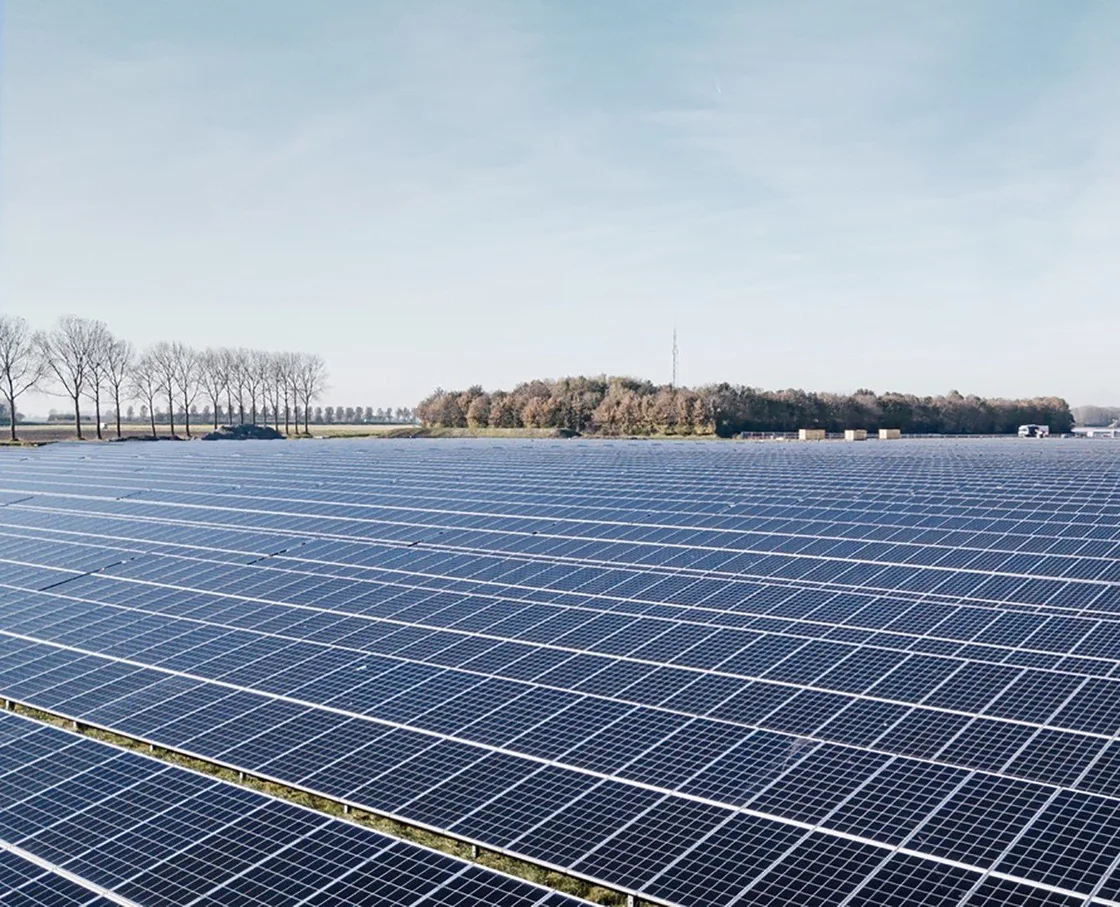
For solar parks and larger commercial rooftop installations, we combine surveys of the module arrays with targeted ground-based inspections. You receive findings linked to specific modules or locations, along with recommendations for further technical investigation.
Discuss your inspectionFor plant operators, operations managers and technical representatives of asset owners
The task
Shading, soiling, reflections and operating conditions can produce thermal patterns similar to technical faults. Suitable measurement conditions and an assessment of each finding are therefore integral to the inspection, supplemented by further electrical tests where appropriate.
What we inspect
The precise scope depends on your equipment and the task we agree together.
Thermal patterns across module surfaces, anomalous modules and recurring anomalies within agreed sections of the installation.
Inverter connections, combiner boxes, distribution equipment and transformer stations.
Targeted ground-based images of anomalous areas and follow-up inspections after remedial work.
Before the visit
Thermography records the temperature distribution of visible surfaces. Load, surface properties and the surrounding conditions affect what can be concluded.
What you receive
You receive a clear record of where anomalies were found, the inspection conditions and recommendations for further diagnosis or follow-up. Thermography alone does not establish a specific energy yield loss or automatically substantiate a warranty claim.
Good to know
We are happy to discuss any other questions with you.
Our service area covers all of Germany, with clients from Passau to Flensburg. With flexible scheduling, we can combine several client visits in the same region and offer lower travel costs. We have locations in Würzburg, Bonn, and Berlin.
No. The usefulness of the measurements depends on factors including irradiance, wind and operating conditions. If conditions are unsuitable, we will agree the next steps with you.
A thermal image without a visible anomaly does not prove that an installation is free of faults. Concealed, obstructed or insufficiently loaded components can only be assessed to a limited extent. Thermography complements other required inspections.
Your next step
Your site, the equipment involved and the inspection objective are enough to start the conversation.
Or call directly: +49 176 85971122